
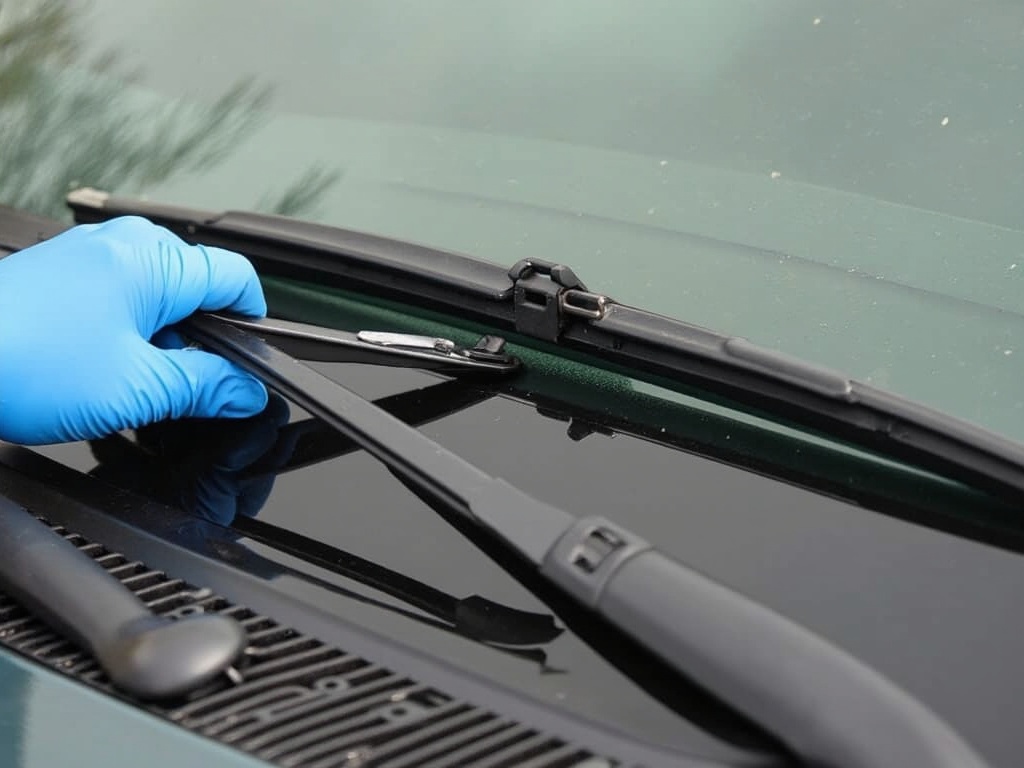
Windshield wipers are a vital safety component of your car, ensuring clear visibility during rain, snow, or other adverse weather conditions. Over time, wiper blades wear out and become less effective, leaving streaks or skipping areas on the windshield. Fortunately, replacing them is one of the easiest DIY car maintenance tasks.
This guide will walk you through how to identify when your wipers need replacing and provide step-by-step instructions on how to change them.
Why It’s Important to Replace Wiper Blades
Worn-out wiper blades can:
- Leave streaks, reducing visibility.
- Fail to clear rain, snow, or debris effectively.
- Damage your windshield if the rubber blade is completely worn off, exposing the metal arm.
Replacing your wiper blades as soon as they show signs of wear ensures safe driving and prevents potential windshield damage.
When to Replace Windshield Wipers
Most wiper blades need to be replaced every 6 months to 1 year, depending on usage and environmental conditions. However, you may need to replace them sooner if you notice:
- Streaks or Smearing: Wipers leave lines or patches on the windshield.
- Squeaking Sounds: The blades make noise during use, indicating the rubber is worn or hardened.
- Cracked or Torn Rubber: Inspect the blades for visible cracks, tears, or missing pieces.
- Skipping or Vibrating: Wipers don’t move smoothly across the windshield.
Tools You’ll Need
To replace your windshield wipers, you’ll need:
- New Wiper Blades: Check your car’s owner manual or measure your existing blades to purchase the correct size.
- A Clean Cloth: To clean the windshield and wiper arms.
- Optional: Glass cleaner for a streak-free windshield.
Step-by-Step Guide to Replacing Windshield Wipers
Step 1: Identify the Correct Wiper Blade Size
- Refer to your car’s owner manual or check the manufacturer’s website for the correct wiper blade size for both the driver and passenger sides.
- You can also measure the existing blades or consult the fitment guide at an auto parts store.
Step 2: Lift the Wiper Arms
- Gently pull the wiper arms away from the windshield until they lock in an upright position.
- Be careful not to let the arms snap back onto the windshield, as this can cause cracks or damage.
Step 3: Remove the Old Wiper Blades
- Locate the Attachment Mechanism:
- Most wiper blades use a hook-style arm, but some may have a pin or tab mechanism.
- Release the Blade:
- For hook-style wipers, find the small tab or clip where the blade connects to the arm. Press or pull the tab to release it.
- Slide the old blade downward to unhook it from the wiper arm.
- Remove the Blade:
- Once the blade is detached, carefully slide it off the arm and discard it.
Step 4: Attach the New Wiper Blades
- Position the New Blade:
- Align the new blade with the wiper arm, ensuring the hook or connector is facing the correct direction.
- Secure the Blade:
- Slide the new blade into the hook or connector until you hear a click or feel it lock securely in place.
- Double-Check Fitment:
- Gently tug on the blade to ensure it’s properly attached and won’t come loose during use.
Step 5: Lower the Wiper Arms
- Carefully lower the wiper arms back onto the windshield. Be gentle to avoid damaging the glass.
Step 6: Test the New Wipers
- Turn on the wipers using the washer fluid to ensure they operate smoothly and clear the windshield effectively.
- Check for any streaks or improper contact with the glass.
Tips for Success
- Replace Both Blades at the Same Time: Wipers on both sides generally wear out at the same rate. Replacing them together ensures consistent performance.
- Clean the Windshield: Use glass cleaner to remove dirt and grime from the windshield for streak-free wiper performance.
- Inspect the Wiper Arms: Check for bends or damage in the wiper arms, as they can affect blade performance.
- Save Your Manual: Some wipers include detailed instructions for installation—keep them handy if needed.
Optional: Replace the Rear Wiper Blade
If your car has a rear windshield wiper, follow the same steps to replace it. Rear wipers are often smaller, so check the size before purchasing a replacement.
Common Mistakes to Avoid
- Forgetting to Measure Blade Size: Using the wrong-size blades can result in poor performance or improper fitment.
- Not Cleaning the Windshield: Dirt and debris on the glass can shorten the life of new wipers.
- Improper Attachment: Ensure the blade is securely locked into place to prevent it from detaching while driving.
- Ignoring the Rear Wiper: Rear wipers are just as important for visibility in rainy or snowy conditions.
How to Extend the Life of Your Wiper Blades
- Clean the Blades Regularly: Wipe down the rubber edge with a damp cloth to remove dirt and debris.
- Avoid Using Wipers on Dry Windshields: Always use washer fluid to lubricate the surface before operating the wipers.
- Park in the Shade: Prolonged exposure to sunlight can dry out and crack the rubber.
- Clear Ice and Snow Manually: Use an ice scraper to remove frost and snow instead of relying on your wipers.
Conclusion
Replacing your windshield wipers is an easy and affordable way to ensure clear visibility and safe driving in all weather conditions. By following this step-by-step guide, you can confidently swap out old, worn blades for brand-new ones in just a few minutes.
With regular maintenance and care, your new wiper blades will keep your windshield clear and your driving experience safe and comfortable. Don’t wait for the next storm—replace your wipers today!