
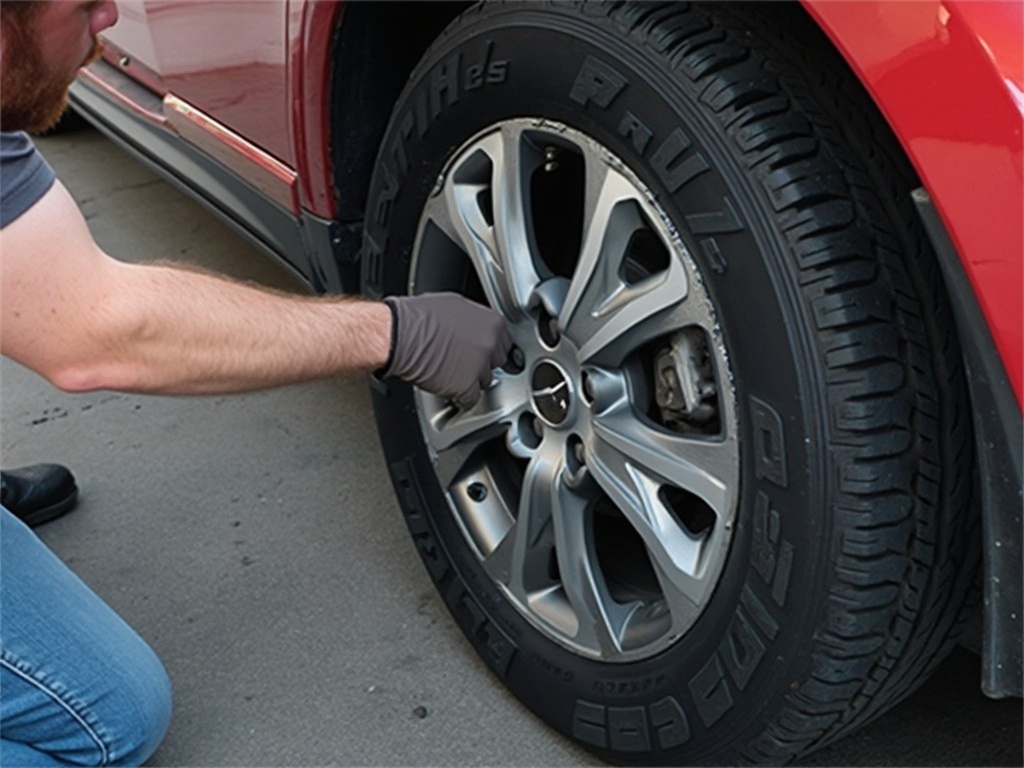
Dealing with a flat tire is one of the most common challenges car owners encounter. While it may seem intimidating, changing a flat tire is a straightforward process that anyone can handle with the right tools and a little know-how. Whether you’re stranded on the side of the road or preparing for emergencies, this guide will walk you through the entire process step by step.
Why Learning to Change a Flat Tire is Important
Flat tires can happen unexpectedly, and waiting for roadside assistance may not always be an option. Knowing how to replace a flat tire ensures that you:
- Avoid long delays and get back on the road quickly.
- Save money by skipping towing or professional tire repair services.
- Gain confidence in handling minor car emergencies.
Tools and Equipment You’ll Need
Before starting, ensure you have the following tools, which are usually included in your car:
- Spare Tire: Ensure it’s fully inflated and in good condition.
- Car Jack: Used to lift the car off the ground.
- Lug Wrench: For loosening and tightening lug nuts.
- Wheel Wedges: To prevent the car from rolling.
- Owner’s Manual: Provides vehicle-specific instructions.
- Gloves and Flashlight: For safety and visibility, especially at night.
Optional items for added convenience:
- A portable tire inflator.
- A tire pressure gauge.
- A reflective safety vest or warning triangle for roadside visibility.
Step-by-Step Guide to Replacing a Flat Tire
Step 1: Ensure Safety First
- Pull Over to a Safe Location: Find a flat, stable surface away from traffic, such as the shoulder of the road or a parking lot.
- Turn on Hazard Lights: This alerts other drivers to your situation and improves your visibility.
- Engage the Parking Brake: Prevents the car from moving while you work.
- Place Wheel Wedges: Place them in front of or behind the tires opposite the flat one to keep the car stationary.
Step 2: Gather Your Tools and Locate the Spare Tire
- Open the trunk or check under the vehicle to locate the spare tire and tools. Refer to your owner’s manual if needed.
- Lay out the tools within easy reach.
Step 3: Loosen the Lug Nuts
- Use the lug wrench to loosen the lug nuts on the flat tire. Turn them counterclockwise, but don’t fully remove them yet.
- If the lug nuts are stuck, use your body weight or gently step on the wrench for extra leverage.
Tip: Keep the lug nuts in a secure place so you don’t lose them.
Step 4: Lift the Car with the Jack
- Locate the jack point nearest to the flat tire. This is typically marked on the frame of the car.
- Position the jack securely under the jack point and start raising the car. Lift the car until the flat tire is fully off the ground, leaving enough clearance to install the spare tire.
- Ensure the car is stable and the jack is on firm ground.
Step 5: Remove the Flat Tire
- Fully unscrew the loosened lug nuts and set them aside in a safe spot.
- Carefully pull the flat tire straight off the wheel hub. Place it flat on the ground to prevent it from rolling away.
Step 6: Mount the Spare Tire
- Align the spare tire’s holes with the wheel studs on the hub.
- Push the spare tire onto the studs until it’s flush with the hub.
- Hand-tighten the lug nuts onto the studs in a crisscross pattern to ensure even tightening.
Step 7: Lower the Car and Tighten Lug Nuts
- Use the jack to slowly lower the car until the spare tire touches the ground, but don’t fully remove the jack yet.
- Use the lug wrench to tighten the lug nuts as much as possible in a crisscross pattern. This ensures the tire is evenly secured.
- Once the lug nuts are tight, fully lower the car and remove the jack.
Step 8: Double-Check Your Work
- Inspect the lug nuts to ensure they are securely tightened.
- Check that the spare tire is properly mounted and aligned.
- Stow the jack, lug wrench, and flat tire in your trunk.
Step 9: Drive Cautiously to a Repair Shop
Temporary spare tires, often called “donuts,” are not designed for long-term use or high speeds. Drive carefully and avoid exceeding 50 mph. Visit a tire repair shop as soon as possible to repair or replace the flat tire.
Tips for Preventing Flat Tires
- Check Tire Pressure Regularly: Underinflated or overinflated tires are more prone to damage. Use a tire pressure gauge to maintain the recommended pressure.
- Inspect Tires for Damage: Look for cracks, bulges, or embedded objects that could cause a flat.
- Rotate Tires Periodically: Rotating tires every 5,000–7,500 miles ensures even wear and extends their lifespan.
- Avoid Road Hazards: Steer clear of potholes, debris, and construction zones whenever possible.
- Replace Worn Tires: Tires with low tread depth are more likely to puncture. Use the penny test to check tread depth and replace tires when necessary.
Common Mistakes to Avoid When Changing a Flat Tire
- Skipping Safety Measures: Failing to engage the parking brake or place wheel wedges could lead to accidents.
- Improper Jack Use: Using the jack on an unstable surface or the wrong jack point can cause the car to fall.
- Not Tightening Lug Nuts Properly: Loose lug nuts can result in the spare tire coming off while driving.
- Driving Too Long on a Spare: Temporary spares are not built for extended use. Replace the flat tire as soon as possible.
How to Maintain Your Spare Tire
- Inspect the Spare Tire Regularly: Check for cracks, wear, or low pressure.
- Keep It Properly Inflated: Use a tire pressure gauge to ensure the spare is always ready for use.
- Know Its Limitations: Temporary spares are designed for short-term use only. Consider investing in a full-size spare if possible.
Conclusion
Learning how to replace a flat tire is an essential skill that every car owner should master. By following this step-by-step guide, you’ll be prepared to handle a flat tire safely and efficiently, saving you time and giving you peace of mind.
Remember to always prioritize safety, ensure your spare tire is in good condition, and drive cautiously after replacing the flat. With a little practice and the right tools, you’ll be ready to tackle this common car emergency like a pro.