
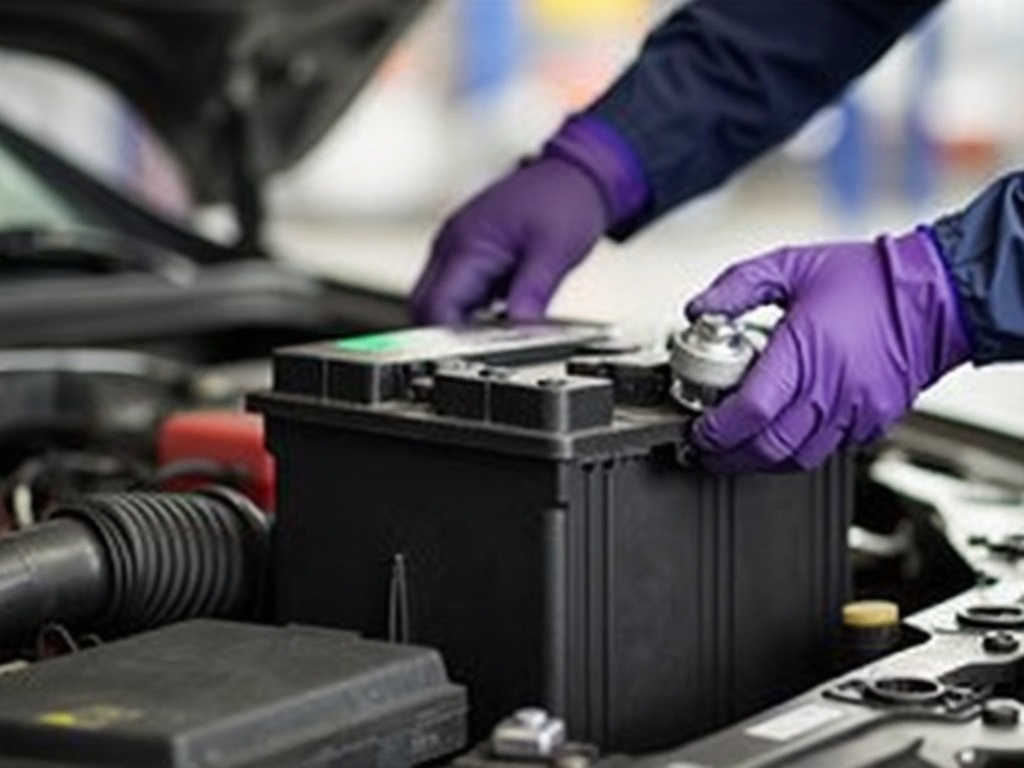
Your car battery is the heart of your vehicle’s electrical system, powering everything from the engine to your headlights and radio. Over time, car batteries lose their ability to hold a charge and need to be replaced. Fortunately, replacing a car battery is a simple task that can be done at home with minimal tools and effort.
This guide will walk you through the process of safely removing an old battery and installing a new one.
Signs Your Car Battery Needs Replacing
Before replacing your battery, it’s important to know when it’s time for a new one. Common signs include:
- Slow Engine Crank: The engine struggles to start, especially in the morning or cold weather.
- Dim Lights or Electrical Issues: Headlights, dashboard lights, or other electronics are weaker than usual.
- Warning Light: The battery or check engine light is illuminated on your dashboard.
- Swollen Battery Case: Heat or overcharging can cause the battery casing to swell.
- Age: Most batteries last 3–5 years. If your battery is older, it’s a good idea to replace it preemptively.
Tools and Supplies You’ll Need
Here’s what you’ll need to replace your car battery:
- New Battery: Consult your owner’s manual or a parts store to find the correct size and type.
- Socket Wrench or Spanner: To loosen bolts on the battery terminals and hold-down clamp.
- Battery Terminal Cleaner or Wire Brush: For cleaning corrosion from the terminals.
- Gloves and Safety Goggles: Protect your hands and eyes from battery acid and sparks.
- Battery Terminal Grease (Optional): Helps prevent corrosion on the new battery.
- Rag or Paper Towels: For cleaning any spills or dirt.
Safety Precautions
Working with a car battery involves handling chemicals and electricity, so safety is critical:
- Turn Off the Engine and Remove the Key: Ensure the car is completely off before starting.
- Work in a Well-Ventilated Area: Batteries release hydrogen gas, which is flammable. Avoid sparks or flames nearby.
- Avoid Metal Tools Touching Both Terminals: This can cause a short circuit or sparks.
- Wear Protective Gear: Gloves and goggles protect you from acid or battery leaks.
Step-by-Step Guide to Replacing a Car Battery
Step 1: Locate the Battery
- Open the hood and locate the battery. It’s usually in the engine bay, but some vehicles place the battery in the trunk or under a seat—refer to your owner’s manual if needed.
- Identify the positive (+) and negative (-) terminals. The positive terminal is usually red, and the negative is black.
Step 2: Disconnect the Old Battery
- Loosen the Negative Terminal First:
- Using a socket wrench, loosen the bolt on the negative terminal and disconnect it. Always disconnect the negative terminal first to prevent accidental short circuits.
- Move the cable away from the battery to avoid contact with the terminal.
- Loosen the Positive Terminal:
- Repeat the process for the positive terminal. Be careful not to let the wrench touch any metal part of the car while working on the positive terminal.
- Remove the Hold-Down Clamp:
- Most batteries are secured by a hold-down clamp at the base or side. Use your wrench to remove the clamp and set it aside.
- Lift Out the Battery:
- Carefully lift the battery out of the tray. Batteries are heavy, so use proper lifting techniques to avoid injury.
Step 3: Clean the Battery Tray and Terminals
- Inspect the Battery Tray:
- Check for corrosion, dirt, or debris. Clean the tray with a rag or wire brush if necessary.
- Clean the Terminals:
- Use a wire brush or battery terminal cleaner to remove corrosion from the cable ends. This ensures a solid connection to the new battery.
Step 4: Install the New Battery
- Place the New Battery:
- Position the new battery in the tray, ensuring the positive and negative terminals are on the correct sides.
- Secure the Hold-Down Clamp:
- Reattach the hold-down clamp to keep the battery in place. Tighten it securely but avoid overtightening, which can damage the battery case.
- Reconnect the Terminals:
- Connect the Positive Terminal First: Attach the positive cable to the positive terminal and tighten the bolt.
- Connect the Negative Terminal Last: Attach the negative cable to the negative terminal and tighten the bolt.
- Apply Terminal Grease (Optional):
- Apply a small amount of battery terminal grease to the terminals to prevent corrosion.
Step 5: Test the New Battery
- Start the Engine:
- Turn the key or press the start button to ensure the new battery is functioning correctly. The engine should start quickly and without hesitation.
- Check Electrical Systems:
- Test the headlights, radio, and other electronics to ensure they’re working properly.
How to Dispose of the Old Battery
Car batteries contain hazardous materials, so proper disposal is essential:
- Take the old battery to an auto parts store, battery retailer, or recycling center. Many stores will accept your old battery for free and may even offer a discount on your new battery.
- Never throw a car battery in the trash or leave it outdoors.
Tips for Success
- Buy the Right Battery: Ensure the new battery matches your car’s specifications for size, voltage, and terminal placement.
- Inspect the Alternator: If your new battery dies quickly, the alternator may not be charging it correctly.
- Be Careful with Tools: Avoid letting tools or cables touch both terminals simultaneously to prevent sparks.
- Reset Systems: Some cars may require you to reset the clock, radio presets, or other systems after disconnecting the battery.
Common Mistakes to Avoid
- Disconnecting the Positive Terminal First: Always disconnect the negative terminal first and reconnect it last to avoid short circuits.
- Overtightening Bolts: Tighten the terminal bolts and hold-down clamp firmly, but don’t overtighten, as this can damage the battery.
- Ignoring Corrosion: Failing to clean corroded terminals or cable ends can lead to poor electrical connections and reduced battery life.
- Buying the Wrong Battery: Double-check the battery group size, voltage, and terminal orientation before purchasing.
How to Prolong the Life of Your Car Battery
- Drive Regularly: Short trips and long periods of inactivity can drain your battery. Drive your car regularly, especially in cold weather.
- Turn Off Electronics: Always turn off headlights, interior lights, and other electronics when the engine is off.
- Check Battery Terminals: Periodically inspect and clean the terminals to prevent corrosion.
- Test Your Battery: Have your battery tested during routine maintenance to monitor its health.
Conclusion
Replacing your car battery is a simple, cost-effective task that takes only 15–30 minutes. By following this step-by-step guide, you can confidently remove your old battery and install a new one, ensuring your car’s electrical system runs smoothly.
With proper care and maintenance, your new battery should provide years of reliable performance. Don’t wait for your battery to fail—replace it before it leaves you stranded! 🚗🔋