
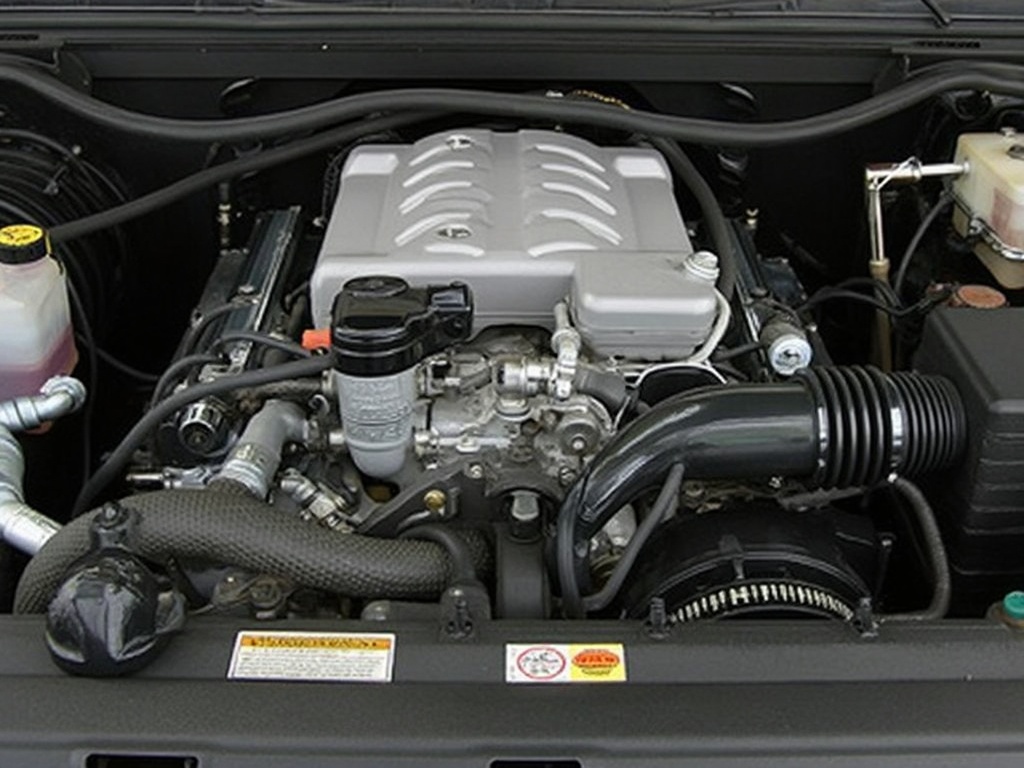
An overheating engine is one of the most serious and stressful car problems you can encounter. If left unchecked, an overheating engine can cause extensive damage to your car, including a blown head gasket, warped cylinders, or even a complete engine failure. However, with the right approach and a basic understanding of your car’s cooling system, you can identify and fix the issue before it gets worse.
This guide will walk you through the common causes of engine overheating, how to diagnose the problem, and what steps to take to fix it.
Why Does an Engine Overheat?
An engine overheats when the cooling system fails to regulate the engine’s temperature effectively. This can happen due to insufficient coolant, poor airflow, or mechanical issues. When the engine gets too hot, it can damage internal components and lead to costly repairs.
Common Signs of an Overheating Engine
Before diving into the causes and solutions, it’s important to recognize the warning signs of an overheating engine:
- Temperature Gauge in the Red Zone: The temperature gauge on your dashboard indicates that the engine is running hotter than normal.
- Steam from the Hood: White steam or smoke emerging from the engine bay is a clear sign of overheating.
- Burning Smell: Overheating can cause coolant or oil to burn, producing a distinctive odor.
- Warning Light: The engine temperature or coolant warning light may illuminate on your dashboard.
- Reduced Engine Performance: The car may lose power or go into “limp mode” to protect the engine.
If you notice any of these signs, it’s crucial to pull over and address the issue immediately to prevent further damage.
Step 1: Pull Over and Turn Off the Engine
If your car is overheating while driving, follow these steps:
- Pull over to a safe location and turn off the engine immediately.
- Turn on the hazard lights to alert other drivers.
- Allow the engine to cool for at least 20–30 minutes before opening the hood.
Important: Never open the radiator cap while the engine is hot. The pressurized coolant can cause severe burns.
Step 2: Identify the Cause of Overheating
Now that the engine is cool, it’s time to diagnose the root cause of the overheating. Below are the most common causes and how to inspect each one.
1. Low Coolant Level
What to Check:
- Open the coolant reservoir and check the fluid level. If it’s below the “minimum” mark, the engine may not be getting enough cooling.
How to Fix:
- Add coolant to the reservoir up to the recommended level. Use a 50/50 mixture of coolant and water unless your car manual specifies otherwise.
- Inspect for visible leaks around the radiator, hoses, or water pump.
2. Coolant Leak
What to Check:
- Look for puddles of coolant under the car. Coolant is typically green, orange, or pink and has a sweet smell.
- Inspect hoses, the radiator, and the water pump for cracks or damage.
How to Fix:
- Small leaks can be temporarily fixed with a radiator sealant, but a permanent repair will require replacing the damaged component.
3. Faulty Thermostat
What to Check:
- The thermostat controls coolant flow through the engine. If it’s stuck closed, coolant won’t circulate, causing overheating.
How to Fix:
- Replace the thermostat. This is a relatively simple and inexpensive repair that can be done in under an hour.
4. Radiator Problems
What to Check:
- Inspect the radiator for clogs, corrosion, or damage. A clogged radiator can restrict coolant flow and reduce cooling efficiency.
How to Fix:
- Flush the radiator to remove debris and improve coolant flow. If the radiator is leaking or severely corroded, it may need to be replaced.
5. Broken or Malfunctioning Water Pump
What to Check:
- The water pump is responsible for circulating coolant through the engine. Look for coolant leaks near the pump or unusual noises like squealing or grinding.
How to Fix:
- Replace the water pump if it’s faulty or leaking.
6. Fan Problems
What to Check:
- The cooling fan helps cool the radiator when the car is stationary or moving slowly. Check if the fan turns on when the engine gets hot.
How to Fix:
- If the fan motor or relay is faulty, replace it. For electric fans, check the fuse and wiring as well.
7. Clogged or Damaged Hoses
What to Check:
- Inspect coolant hoses for cracks, blockages, or collapse under pressure.
How to Fix:
- Replace damaged or clogged hoses. Ensure the new hoses are securely clamped to prevent leaks.
Step 3: Temporary Solutions if You’re Stranded
If you’re stranded and can’t immediately fix the cause of overheating, here are some temporary solutions to help you get to a repair shop:
- Turn on the Heater: Turning on the car’s heater can help dissipate heat from the engine. This is a short-term solution to reduce engine temperature.
- Drive Short Distances: If necessary, drive for short intervals and let the engine cool between trips.
- Add Coolant or Water: If coolant isn’t available, add water to the radiator or reservoir as a temporary fix.
Preventing Engine Overheating
Prevention is always better than repair. Follow these tips to keep your cooling system in top condition:
- Check Coolant Levels Regularly: Inspect coolant levels at least once a month and top off if needed.
- Flush the Cooling System: Perform a coolant flush every 30,000–50,000 miles, or as recommended by your car’s manufacturer.
- Inspect Belts and Hoses: Look for signs of wear or damage, such as cracks or leaks, and replace them as needed.
- Test the Thermostat: Have your mechanic check the thermostat during regular maintenance.
- Monitor the Radiator: Clean the radiator fins and ensure there’s no buildup of dirt or debris.
- Replace the Water Pump: Replace the water pump according to the manufacturer’s schedule, as it’s a wear-and-tear component.
Common Mistakes to Avoid
- Ignoring Warning Signs: Don’t continue driving if the engine shows signs of overheating. This can cause severe damage.
- Adding Coolant to a Hot Engine: Always wait for the engine to cool completely before adding coolant.
- Using the Wrong Coolant: Always use the type of coolant specified in your car’s manual to avoid damaging the cooling system.
- Neglecting Maintenance: Regular maintenance is key to preventing overheating and ensuring the longevity of your cooling system.
Conclusion
An overheating engine is a serious issue, but with the right knowledge and quick action, you can minimize damage and resolve the problem effectively. By learning how to diagnose common causes of overheating and taking steps to prevent it, you’ll keep your engine running smoothly and avoid costly repairs.
Remember to stay vigilant, perform regular maintenance on your cooling system, and address any warning signs immediately. With proper care, you can ensure your car remains reliable and safe for years to come.