
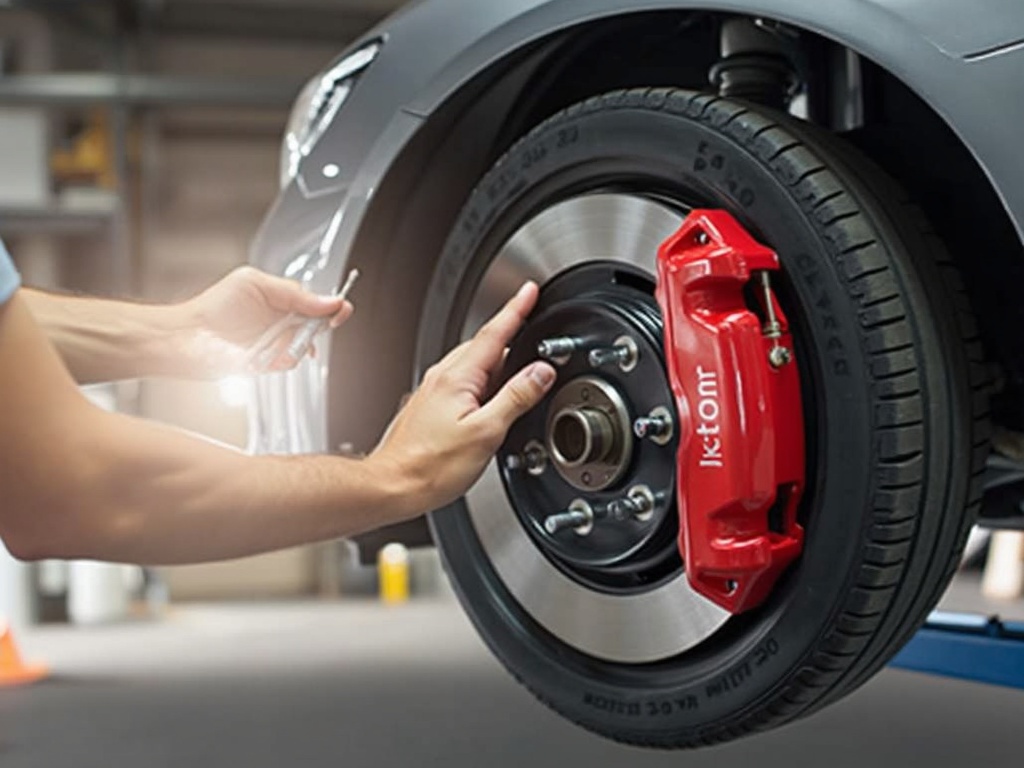
Your car’s braking system is one of the most critical safety components, and it’s essential to keep it in top working condition. Neglecting brake issues can lead to serious accidents, costly repairs, or even complete brake failure. Fortunately, your car will often give you warning signs when something is wrong with the brakes. Recognizing these signs early and taking immediate action can help ensure your safety on the road.
In this article, we’ll discuss five common warning signs that indicate your brakes need attention and what you can do to fix the issue.
1. Squealing or Screeching Noises
One of the most common warning signs of brake problems is a high-pitched squealing or screeching noise when you apply the brakes.
What It Means:
This sound is often caused by the brake pad wear indicator. Modern brake pads are designed with a small metal tab that makes contact with the rotor when the pads are worn down. The squealing noise is an early warning that your brake pads need to be replaced.
What to Do:
Inspect the brake pads to check their thickness. If they are less than 3mm thick, it’s time to replace them. Ignoring this noise can lead to more severe wear, such as damage to the rotors, which will require more expensive repairs.
2. Grinding or Growling Sounds
If you hear a grinding or growling noise when braking, this indicates a more serious problem than squealing.
What It Means:
Grinding noises typically occur when the brake pads are completely worn out, and the metal backing plate is making contact with the rotor. This metal-on-metal contact can severely damage the rotor and reduce braking efficiency.
What to Do:
Stop driving the car immediately and have the brakes inspected by a qualified mechanic. In most cases, both the brake pads and rotors will need to be replaced.
3. Soft or Spongy Brake Pedal
A properly functioning brake pedal should feel firm when pressed. If your brake pedal feels soft, spongy, or sinks to the floor, this is a serious safety concern.
What It Means:
A soft brake pedal can be caused by several issues, including:
- Air in the brake lines, which reduces hydraulic pressure.
- A brake fluid leak reducing the pressure needed to engage the brakes.
- A failing master cylinder, which is responsible for generating braking pressure.
What to Do:
Check the brake fluid reservoir under the hood to ensure the fluid is at the recommended level. If it’s low, inspect the system for leaks. If you find no leaks, the problem may be air in the brake lines or a faulty master cylinder. Both issues require immediate attention from a professional mechanic.
4. Vibrations or Shaking When Braking
If you feel vibrations or shaking in the steering wheel, brake pedal, or entire car when applying the brakes, it’s a clear sign that something is wrong.
What It Means:
The most common cause of vibrations when braking is warped rotors. Rotors can become uneven due to excessive heat, wear, or improper installation. Vibrations can also be caused by unevenly worn brake pads or suspension issues.
What to Do:
Have your rotors inspected and resurfaced or replaced if necessary. Ensure that your brake pads are evenly worn and installed correctly. If the issue persists, check for alignment or suspension problems.
5. Brake Warning Light on the Dashboard
Modern cars are equipped with a brake warning light on the dashboard to alert you to potential issues.
What It Means:
The brake warning light can indicate various problems, including:
- Low brake fluid levels.
- Worn brake pads.
- A malfunction in the Anti-lock Braking System (ABS).
What to Do:
Refer to your car’s owner manual to determine the specific meaning of the warning light. Check the brake fluid reservoir and top it up if it’s low. If the light remains on, have the braking system inspected by a professional mechanic as soon as possible.
Why It’s Important to Address Brake Issues Immediately
Ignoring brake-related problems can lead to serious consequences, such as:
- Reduced stopping power and longer braking distances.
- Increased risk of accidents, especially in emergencies.
- Damage to other components of the braking system, leading to costly repairs.
How to Maintain Your Brakes and Prevent Problems
Regular maintenance can help extend the life of your brakes and prevent costly repairs. Here are some tips to keep your braking system in top condition:
- Inspect Brake Pads and Rotors Regularly: Check the thickness of the brake pads and look for signs of wear on the rotors. Replace them as needed.
- Change Brake Fluid Periodically: Brake fluid can absorb moisture over time, reducing its effectiveness. Replace it every two to three years or as recommended by your car’s manufacturer.
- Avoid Hard Braking: Sudden, aggressive braking can cause excessive wear on the brake pads and rotors. Drive smoothly and maintain a safe following distance.
- Listen for Unusual Sounds: Pay attention to any unusual noises when braking, as these can indicate early signs of trouble.
- Have Regular Inspections: Schedule routine brake inspections with a trusted mechanic, especially before long road trips or during seasonal maintenance.
Common Mistakes to Avoid with Your Brakes
- Ignoring Warning Signs: Small issues like squealing noises can escalate into major repairs if left unattended.
- Using Low-Quality Brake Parts: Invest in high-quality brake pads and rotors to ensure better performance and durability.
- Skipping Maintenance: Neglecting regular brake inspections and fluid changes can lead to unexpected failures.
Conclusion
Your car’s braking system is essential for your safety and the safety of others on the road. By paying attention to warning signs like strange noises, vibrations, or a soft brake pedal, you can address problems early and avoid costly repairs. Regular maintenance, such as checking brake pads, replacing fluid, and inspecting rotors, will help keep your brakes in top condition.
Remember, when it comes to brakes, safety always comes first. If you’re ever in doubt about the condition of your brakes, consult a professional mechanic immediately. Taking proactive steps now can save you from dangerous situations and costly repairs in the future.