
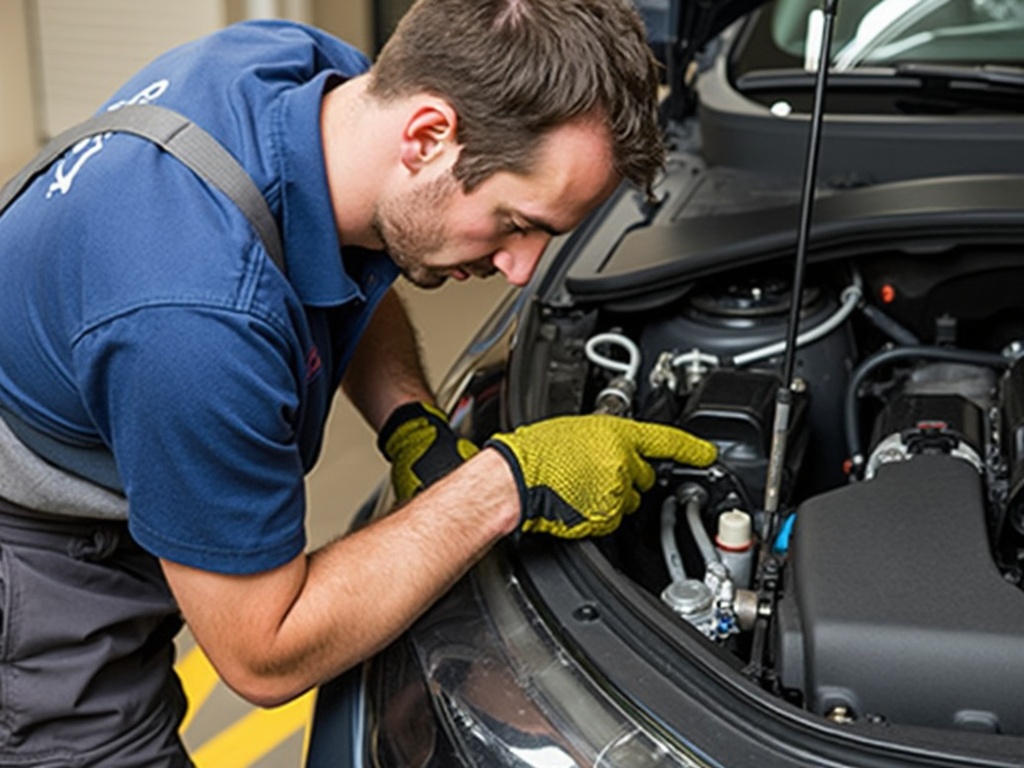
Owning a car can be both a convenience and a challenge. While regular maintenance keeps your vehicle running smoothly, certain problems are bound to arise. Understanding these issues and knowing how to fix them can save you time, money, and stress. This guide explores ten common car problems and provides practical solutions to fix them like a professional mechanic.
1. Dead Battery
A dead battery is one of the most common car problems and can leave you stranded.
Symptoms:
- The car won’t start, and you may hear a clicking noise when turning the key.
- Dim headlights or dysfunctional electrical features like power windows or the radio.
Causes:
- Leaving lights, interior electronics, or accessories on for too long.
- An old or weak battery nearing the end of its lifespan.
- A malfunctioning alternator leading to undercharging.
How to Fix:
To address a dead battery, start by jumpstarting your car using jumper cables and another vehicle. Attach the cables to the correct terminals, allow the battery to recharge for a few minutes, and then start the engine. If the battery is too weak or damaged, replace it with a new one that matches your vehicle’s specifications.
Prevention Tips:
Regularly check your battery’s health and clean the terminals to prevent corrosion. Make sure you turn off all lights and electrical accessories when the engine is off.
2. Flat Tire
Flat tires can happen unexpectedly and disrupt your day.
Symptoms:
- You may notice the car pulling to one side or feel uneven driving.
- A completely deflated tire or visible damage may be apparent.
Causes:
- Sharp objects like nails or glass puncturing the tire.
- Overinflated or underinflated tires causing uneven wear.
- Aging tires that lose their structural integrity.
How to Fix:
Use a car jack and lug wrench to replace the flat tire with your spare. Make sure the spare tire is properly inflated and tighten the lug nuts evenly. If the puncture is small, you can use a tire repair kit to seal the hole temporarily until you get a permanent repair.
Prevention Tips:
Check tire pressure regularly and keep it within the recommended range. Inspect your tires for wear and tear, and rotate them periodically to ensure even usage.
3. Overheating Engine
An overheating engine can cause serious damage if not addressed promptly.
Symptoms:
- The temperature gauge on your dashboard rises into the red zone.
- Steam or smoke emerges from under the hood.
Causes:
- Low coolant levels or a coolant leak.
- A malfunctioning thermostat or water pump.
- A clogged radiator preventing proper cooling.
How to Fix:
Pull over immediately and turn off the engine to let it cool. Check the coolant level in the reservoir and refill it if it’s low. Inspect the radiator and hoses for leaks or damage. If the problem persists, have a mechanic inspect the cooling system.
Prevention Tips:
Regularly check and top up your coolant levels. Schedule periodic inspections of the cooling system, including the radiator and thermostat.
4. Brake Problems
Brake problems are a critical safety concern and should never be ignored.
Symptoms:
- Squealing or grinding noises when braking.
- The brake pedal feels soft or spongy.
- The car pulls to one side when braking.
Causes:
- Worn brake pads or rotors.
- Air in the brake lines causing reduced pressure.
- Leaking brake fluid or a failing master cylinder.
How to Fix:
Replace worn brake pads and rotors to restore proper braking performance. Bleed the brake system to remove any air from the lines. If brake fluid is low, top it up with the recommended type, but inspect for leaks to address the root cause.
Prevention Tips:
Have your brakes inspected during regular maintenance and replace pads or rotors as needed. Monitor brake fluid levels and ensure they remain within the recommended range.
5. Faulty Alternator
The alternator is responsible for charging your car’s battery and powering electrical components.
Symptoms:
- The battery warning light appears on the dashboard.
- Electrical systems, such as headlights, dim or malfunction.
- Difficulty starting the car or frequent battery issues.
Causes:
- Worn-out alternator components, such as belts or bearings.
- A faulty voltage regulator causing over or undercharging.
How to Fix:
Have the alternator tested to confirm the issue. If it’s faulty, replace it with a new or rebuilt alternator. Along with the alternator, check the drive belt for wear and replace it if needed.
Prevention Tips:
During routine maintenance, have the alternator and belt inspected. Replace the alternator at the first signs of failure to avoid breakdowns.
6. Engine Misfire
Engine misfires can reduce performance and fuel efficiency.
Symptoms:
- The engine runs rough or vibrates abnormally.
- Reduced power and hesitation during acceleration.
- The check engine light appears.
Causes:
- Faulty spark plugs or ignition coils.
- A clogged fuel injector or dirty air filter.
- Low fuel pressure or timing issues.
How to Fix:
Replace worn spark plugs and ignition coils. Clean or replace the fuel injector and air filter. If the issue persists, consult a mechanic to diagnose fuel system problems or timing issues.
Prevention Tips:
Follow the manufacturer’s schedule for replacing spark plugs and air filters. Use high-quality fuel and periodic fuel system cleaners to prevent buildup in injectors.
7. Transmission Problems
Transmission issues can lead to poor performance or complete failure.
Symptoms:
- Difficulty shifting gears or delayed gear engagement.
- Grinding noises when changing gears.
- Transmission fluid leaks under the vehicle.
Causes:
- Low or contaminated transmission fluid.
- Worn-out clutch or gears in manual transmissions.
- Failing solenoids or sensors in automatic transmissions.
How to Fix:
Check the transmission fluid level and top it up if needed. If the fluid is dirty, perform a full transmission fluid change. For more severe issues, have the transmission inspected and repaired by a professional.
Prevention Tips:
Check the transmission fluid regularly and follow the manufacturer’s service intervals. Avoid hard acceleration or aggressive driving habits that strain the transmission.
8. Exhaust Smoke
Unusual smoke from the exhaust can indicate underlying engine problems.
Symptoms:
- Blue smoke suggests burning oil.
- Black smoke indicates excessive fuel consumption.
- White smoke may mean coolant is leaking into the engine.
Causes:
- Damaged piston rings or valve seals causing oil leaks.
- A clogged air filter or faulty fuel injector.
- A blown head gasket allowing coolant into the engine.
How to Fix:
Replace worn piston rings or valve seals if oil is burning. Clean or replace a clogged air filter. If white smoke persists, inspect the head gasket and repair any leaks.
Prevention Tips:
Perform regular oil changes and replace the air filter as needed. Address engine leaks promptly before they worsen.
9. Faulty Starter Motor
The starter motor is essential for cranking the engine.
Symptoms:
- The engine doesn’t crank, but the battery is fine.
- A clicking noise when turning the ignition.
Causes:
- Worn-out starter motor or solenoid.
- Loose or corroded connections to the starter.
How to Fix:
Inspect the connections to the starter and clean them if corroded. If the starter motor is faulty, replace it with a new or refurbished one.
Prevention Tips:
Inspect the starter motor during regular maintenance. Ensure battery terminals and connections are clean and secure.
10. Check Engine Light
The check engine light can indicate a wide range of issues.
Symptoms:
- A steady or flashing check engine light on the dashboard.
- Varying performance issues, depending on the underlying problem.
Causes:
- Faulty sensors, such as the oxygen sensor or mass airflow sensor.
- Emissions system problems, like a failing catalytic converter.
- Minor issues such as a loose gas cap.
How to Fix:
Use an OBD-II scanner to read the diagnostic trouble codes. Address the underlying issue based on the code, such as replacing a sensor or tightening the gas cap. For complex problems, consult a mechanic.
Prevention Tips:
Keep up with scheduled maintenance and address small issues before they escalate. Regularly inspect and replace sensors or components that commonly fail.
Conclusion
Car problems are an inevitable part of vehicle ownership, but many can be resolved with some basic knowledge and tools. By understanding common issues like a dead battery, flat tire, or engine misfire, you can tackle these challenges confidently. Preventative maintenance, such as checking fluid levels and inspecting parts, can also go a long way in keeping your car running smoothly. Whether you’re a DIY enthusiast or seeking to learn more, staying proactive about your car’s health ensures a safer and more enjoyable driving experience.