
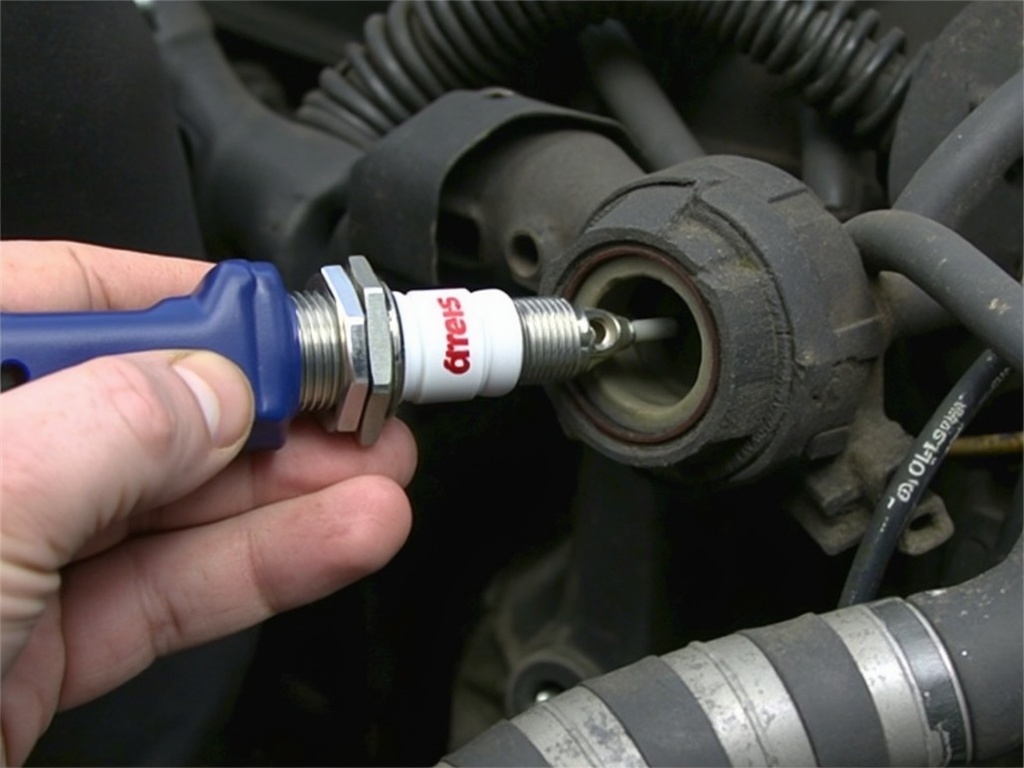
Spark plugs are a crucial component of your car’s engine, responsible for igniting the air-fuel mixture in the combustion chamber. Over time, spark plugs wear out, causing poor engine performance, reduced fuel efficiency, and even difficulty starting your car. Replacing spark plugs is a straightforward DIY task that can restore your car’s performance and save you money.
This guide will walk you through how to check and replace your spark plugs step by step.
Why Replacing Spark Plugs is Important
Spark plugs play several critical roles in your engine:
- Ignition: They create the spark that ignites the air-fuel mixture in the engine.
- Fuel Efficiency: Worn spark plugs can reduce gas mileage.
- Smooth Operation: Fresh plugs ensure a smooth-running engine and reduce misfires.
- Engine Longevity: Properly functioning spark plugs reduce stress on the engine and ignition system.
When to Replace Spark Plugs
The replacement interval for spark plugs depends on your car and the type of plugs used:
- Copper Spark Plugs: Typically last 20,000–30,000 miles.
- Platinum or Iridium Spark Plugs: Last 60,000–100,000 miles (common in modern vehicles).
- Check your owner’s manual for the recommended replacement schedule.
Signs of Bad Spark Plugs include:
- Difficulty starting the engine.
- Poor acceleration or sluggish performance.
- Rough idling or engine misfires.
- Decreased fuel efficiency.
- Illuminated “Check Engine” light.
Tools and Materials You’ll Need
To check and replace spark plugs, gather the following:
- New Spark Plugs: Ensure they’re the correct type for your vehicle (refer to the owner’s manual).
- Ratchet Wrench and Socket Set: A spark plug socket is essential (it has a rubber insert to grip the plug).
- Torque Wrench: For tightening spark plugs to the manufacturer’s specifications.
- Socket Extension Bar: To reach deep spark plugs.
- Spark Plug Gap Tool: To measure and adjust the gap on the new plugs.
- Dielectric Grease (Optional): To protect against moisture and corrosion.
- Gloves and Safety Goggles: To protect your hands and eyes.
- Compressed Air (Optional): To clean dirt or debris around the plugs.
Step-by-Step Guide to Checking and Replacing Spark Plugs
Step 1: Prepare Your Vehicle
- Park your car on a flat surface and allow the engine to cool completely.
- Open the hood and locate the spark plugs. They’re usually connected to thick wires or ignition coils on top of the engine.
- Consult your owner’s manual to identify the specific location and configuration of the plugs.
Step 2: Remove the Ignition Wires or Coils
- Label the Wires: If your car uses ignition wires, label them to avoid mixing up the connections.
- Remove Each Wire/Coil One at a Time: Gently pull the ignition wire or coil off the spark plug. For ignition coils, you may need to remove screws to detach them.
Step 3: Clean the Area Around the Spark Plug
- Use compressed air or a brush to remove dirt and debris around the spark plug. This prevents debris from falling into the engine when the plug is removed.
Step 4: Remove the Old Spark Plug
- Attach the spark plug socket to your ratchet wrench and carefully loosen the spark plug by turning it counterclockwise.
- Once loose, remove the spark plug and inspect it for wear or damage.
Inspect the Old Plug:
- Normal: Light gray or tan deposits on the electrode indicate normal wear.
- Worn: Black, oily, or heavily fouled plugs may indicate engine problems (e.g., oil leaks or rich fuel mixture).
Step 5: Check and Adjust the Gap on the New Spark Plug
- Use a Spark Plug Gap Tool: Measure the gap between the center and ground electrodes on the new plug.
- Adjust the gap to match the specifications in your owner’s manual (if necessary).
- Be gentle to avoid damaging the electrode.
Step 6: Install the New Spark Plug
- Hand-Tighten First: Thread the new spark plug into the cylinder by hand to avoid cross-threading.
- Tighten with a Torque Wrench: Use a torque wrench to tighten the spark plug to the manufacturer’s recommended torque specification. Over-tightening can damage the threads or the plug itself.
Step 7: Reattach the Ignition Wire or Coil
- Apply a small amount of dielectric grease to the inside of the ignition wire boot or coil to prevent moisture and corrosion.
- Reattach the wire or coil to the spark plug, ensuring it’s securely in place.
Step 8: Repeat for All Spark Plugs
- Replace each spark plug one at a time to avoid mixing up the ignition wires or coils.
- Follow the same process for all the spark plugs in your engine.
Step 9: Test the Engine
- Start the engine and let it idle for a few minutes.
- Listen for smooth operation and ensure there are no misfires or rough idling.
Tips for Success
- Work Methodically: Replace one spark plug at a time to avoid confusion.
- Use the Correct Spark Plug Type: Using the wrong type or gap size can cause engine issues.
- Don’t Over-Tighten: Always use a torque wrench to avoid damaging the threads.
- Check for Other Problems: While replacing the plugs, inspect the ignition wires or coils for signs of wear or damage.
Common Mistakes to Avoid
- Cross-Threading the Spark Plug: Always hand-tighten the plug to ensure it’s properly aligned before using a wrench.
- Skipping the Gap Check: Even pre-gapped spark plugs may not match your car’s specifications.
- Over-Tightening or Under-Tightening: Both can cause damage or affect engine performance.
- Ignoring Other Components: Worn ignition wires or coils should be replaced at the same time as spark plugs.
How to Maintain Your Spark Plugs
- Inspect Regularly: Check your spark plugs every 10,000–15,000 miles for signs of wear.
- Address Engine Issues Promptly: Symptoms like rough idling or poor acceleration may indicate spark plug problems.
- Replace Ignition Wires/Coils if Needed: Old wires or coils can cause weak sparks and reduce engine efficiency.
- Use High-Quality Fuel: Low-quality fuel can lead to carbon deposits on the spark plugs.
Conclusion
Replacing spark plugs is a simple yet essential maintenance task that can dramatically improve your car’s performance. By following this step-by-step guide, you can ensure your engine runs smoothly, efficiently, and reliably.
With the right tools, attention to detail, and proper care, your spark plugs will keep your engine firing on all cylinders. Happy driving! 🚗✨